
The journey from green coffee beans to a flavorful cup begins with a coffee roasting process, unfolding a beans' aroma, color, and taste.
No two roasters do it exactly the same way. Equipment, roasting philosophy, and the origin of the beans all shape the final result. But among those differences, every roaster relies on the same basic science: applying heat to green coffee beans, according to a roast profile , which determines the flavors those beans ultimately develop.

What is Coffee Roasting?
Roasting coffee beans is a process of applying controlled heat to raw green coffee beans, triggering the physical and chemical changes that turn them into the aromatic, flavorful beans we recognize and brew.
As the beans roast, they lose moisture, expand in size, and shift in color to shades of brown. Internally, sugars caramelize, acids break down, and new aromoatic compounds are formed. All this shapes the coffee's final taste, body and smell.
Coffee roasters observe their beans closely throughout the process, relying on key signals:
- Temperature: Tracked closely throughout the roast, since even small changes in heat and timing can push the coffee toward different flavor outcomes
- Color: As beans roast, they visibly darken, giving roasters a visual cue for how far along the roast is.
- Sound: Beans make audible cracking sounds ("first crack" and, in darker roasts, "second crack") as internal pressure builds and releases. These cracks are key checkpoints roasters listen for to judge roast progress.

VAROSH Coffee Roasting Process
VAROSH Coffee Roasters performs small-batch roasting, which allows for consistent control of the roasting process. Small-batch coffee roasting produces coffee beans at peak freshness and quality.
For this blog, we will showcase the stages of coffee roasting from our coffee roastery in North Carolina.
VAROSH sources coffee beans from different countries around the world including Panama, Colombia, Brazil, Ethiopia, and other locations. We roast single-origin beans, meaning they are processed from one specific farm or country of origin. We also produce blends, which involves mixing several coffee beans together to create a unique profile. Let's take you through the coffee roasting process step by step.
The Coffee Roasting Process, Step by Step
Selecting the Beans to Roast
As we preheat the roast to a specific charge temperature, VAROSH selects the coffee beans to roast for customer's orders. Each green coffee bean starts off in its unroasted state, sourced from an origin region.
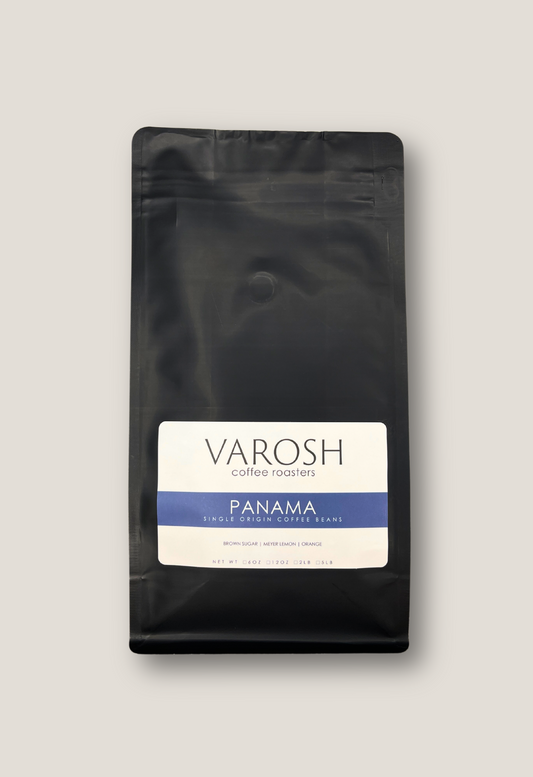
Here we are selecting VAROSH Panama Coffee Beans to complete a customer's order.

Weighing the Coffee Beans
Once the coffee beans are selected, we weigh each amount to the specific weight that the coffee roaster can handle. We do this process for each small batch of coffee beans.

Loading the Coffee Beans into the Coffee Roaster
Once the coffee roaster is at its optimum temperature, we load the green coffee beans into the top of the coffee roaster known as the hopper. The hopper starts to feed the beans into the drum, which is where the roasting takes place, and the coffee beans begin its transformation.

Setting up the Coffee Profile
Each coffee roastery has a specific plan on how each coffee bean is roasted. Think of a coffee profile like a recipe, which an amount of heat is applied at specific timeframes to draw out specific flavors.

Mapping of The Coffee Profile
Coffee roasteries use logged software to track the roast profile. This is a visual guide that maps out the exact time and temperature plan when roasting each specific coffee bean. VAROSH develops its own coffee profiles to bring out the exact flavor for each bean.

Start of the Coffee Roasting Process
Once the green coffee beans come into direct contact with heat, it begins its initial changes. The beans start to lose moisture content. This is the stage where the beans turn from a green to yellow hue.

Sampling the Coffee Beans
At anytime during the coffee roasting process, the roaster can inspect a small selection of coffee beans using a trowel, also called a trier. Sampling helps the roaster visually check the bean's color and aroma to ensure the roast is progressing accordingly.

Maillard Reaction and First Crack
As mentioned before, roasters start to observe visual and sensory cues of the roasting process. Millard reaction is a process where sugars and amino acids react to build the base flavor and compounds. Here the coffee beans shift from a yellow to brownish color.
When we talk about "first crack", its an audible popping sound as internal pressure and steam cause the bean structure to fracture. The sound is similar to microwaving popcorn. The first crack is important as it indicates a light roast. Longer development will proceed to medium and dark roasts.

Medium Roast
VAROSH coffee beans are finished at medium roast. This means that the coffee beans continue to develop past the first crack but stops around the onset of the second crack.

Roasting Time Complete
Total roasting time per batch varies. Aiming for a medium roast, our small-batch process transforms a green coffee bean into a dark brown coffee bean in approximately 10-14 minutes.

Dropping and Cooling
At the moment we achieved our target profile, the coffee beans are dropped from the drum into a cooling bin. From there, an agitator constantly stirs the beans. Rapid airflow stops the internal roasting process to prevent the beans from developing any further.

Roasting Completed
Once the beans are released from the drum to the cooling bin, the roasting process is complete. You will notice the difference in color from the moment we first poured the coffee beans into the hopper to the time it drops.

Peak Freshness With Each Small Batch
You will notice a few things that changed about the coffee bean that's different from the start of the roasting process.
- Size and Shape: Roasted beans are nearly double their original size. When the bean cracks, the beans expand.
- Fragrance: The beans now smell like coffee with pleasant aromas ranging from either nuts, chocolate or fruits.
- Color: All the beans share color uniformity; displaying a brownish hue for medium roasts.
- Lightness: Coffee beans lose their water weight during the roast, making them less dense than at the start of the roasting process.

Destoning
VAROSH removes the coffee beans from the coffee roaster, and filters the beans through destoning equipment. Destoning removes any small pebbles or other matter that accidentally mixes in during farming. It's a quality assurance process that ensures a quality product and protect grinding equipment.

Packaging VAROSH Specialty Coffee Beans
With the coffee roasting process completed, its now time to ensure VAROSH customers get their coffee beans within days of the roast date.
VAROSH Coffee Roasters has different packaging size options. Here we are adding VAROSH Panama coffee beans to our largest bag option, a 5-pound bag.
VAROSH fresh-roasted specialty beans come in the following sizes:
- 6 oz: Great for samplers or trying new single origins.
- 12 oz: Standard retail size, which yields about 15-25 cups depending on how you brew
- 2 lbs: A larger, bulk size that is great for subscribers
- 5 lbs: Bulk option that offers great value for wholesale partners, businesses and cafe accounts.

Adding Coffee Beans to Each VAROSH Coffee Bag
We scale the right amount of coffee beans into one of our VAROSH packaging options. Bags can be filled with coffee beans, or coffee grounds, at your preference.
On the back of each coffee bag, we label the date that the coffee was roasted.

Packaged for Peak Freshness
VAROSH Specialty Coffee Beans are packaged in Guesseted Coffee Bags. They ensure freshly roasted coffee releases carbon dioxide, while preventing oxygen and moisture from entering.
This helps preserve the flavor and freshness of VAROSH coffee beans when its time to brew your coffee.

Shipped, Delivered, or Picked Up: The Charlotte Community Loves VAROSH Coffee
Whether we've shipped a box of VAROSH coffee beans to your doorstep, personally delivered it to your business, or you've picked it up at our roastery in Charlotte, North Carolina, we strive to create a business where you get a a great experience. From quick delivery times to an enjoyable coffee taste, we're here to support your coffee experience.

We Support Wholesale Programs
If you are a cafe, office, church or coffee cart in the Charlotte or greater North Carolina area, we are your one-stop shop for a complete coffee experience. We'll help you serve a coffee that your customers will enjoy.
VAROSH Coffee Roasters offers:
- Bulk specialty coffee beans with consistent, scheduled deliveries
- Barista training and education
- Equipment sales & set-up
- Preventative maintenance and repairs

Thank You!
Each VAROSH package is a personal touch for us, handled by our roasters. Each package comes with your order and a thank you card showing gratitude for trying our specialty coffee beans.

Try VAROSH Coffee Yourself
Now that you know exactly what goes into every bag, we'd love for you try VAROSH coffee for yourself. Shop our freshly roasted coffee online or stop by the roastery in Charlotte, North Carolina.